Maid Stories · 5 min read
The Courtyard Keeps Its Shade
In a Maharashtra village, a widowed domestic worker and a potter must decide whether affection can survive the practical questions everyone else avoids.
11 May 2026 · All characters are adults aged 18+
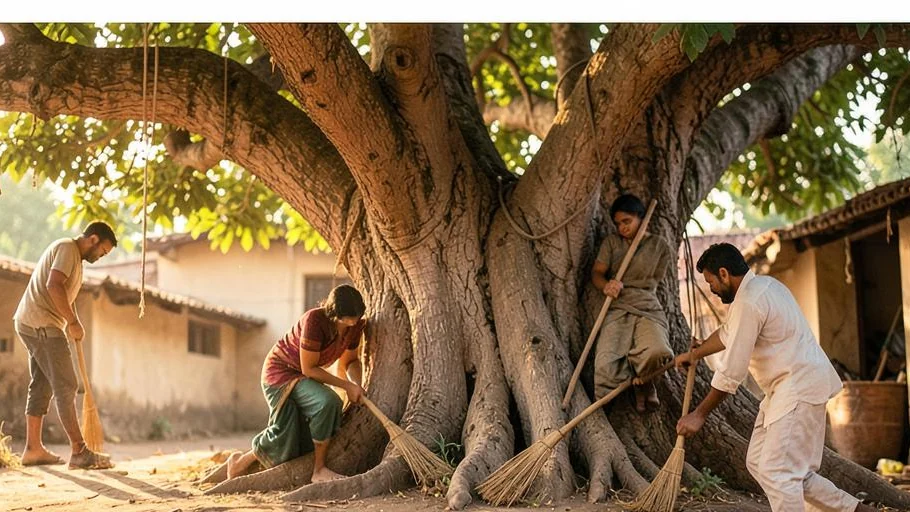
Savita found the marriage proposal inside a cracked water pot, which was exactly where she thought most marriage proposals belonged. At thirty-six, she worked as a maid in the Kulkarni household in a Maharashtra village and had been widowed for seven years. The potter waiting beneath the courtyard banyan, thirty-nine-year-old Arjun Jadhav, looked horrified when she unfolded the note.
“That is my aunt’s handwriting,” he said.
“Then perhaps your aunt should marry me. She seems decisive.”
Arjun took the paper only after Savita offered it. His aunt had delivered the replacement pot that morning and apparently added negotiations of her own. Savita had known Arjun for years as a supplier to the household and a neighbour from the next lane. She had never authorised anyone to discuss her as an available arrangement.
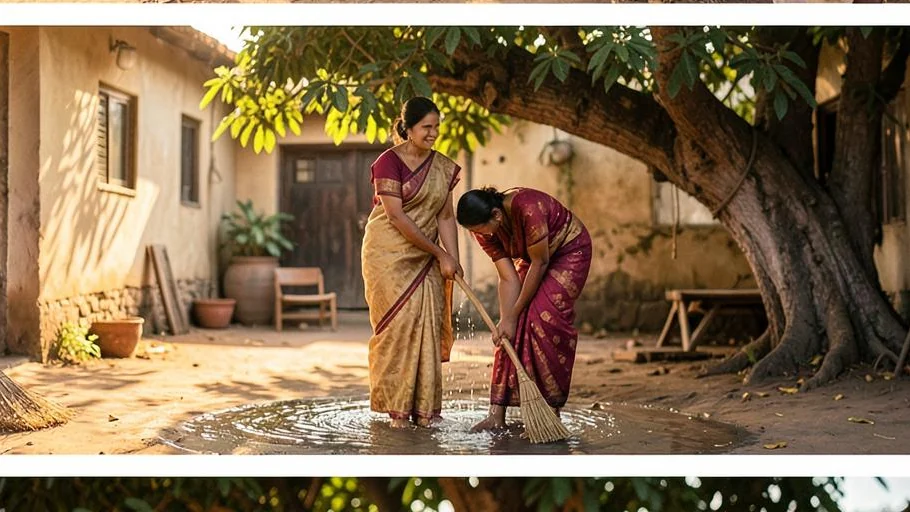
He apologised without defending his aunt. Then he inspected the crack in the old pot and explained why it had spread. Savita appreciated his return to useful matters. The courtyard was hot beyond the banyan’s shade; she had brass vessels to scrub before leaving at two, and embarrassment would not finish the work.
Two evenings later, Arjun stopped outside her gate carrying nothing. He asked whether she had a moment. Savita remained on her verandah while he stood in the lane. His aunt had been told firmly not to approach her again. He also admitted, with an awkwardness she found disarming, that the idea had not entirely originated with his aunt.
“Then you should have spoken to me.”
“Yes.”
“And asked whether I wanted to hear it.”
“Do you?”
She considered him: a divorced man who repaired his own sandals, argued about kiln temperatures at the tea stall, and never rounded a bill differently depending on who paid it. “Not tonight,” she said. “Ask me on Sunday.”
On Sunday, they walked to the weekly market, where privacy consisted of being surrounded by people too busy bargaining to listen properly. Arjun told her he liked her dry humour and the way she checked every delivered pot for balance. Savita said those were slender foundations for romance. He agreed. They could begin with tea rather than foundations.
Their courtship became a sequence of ordinary tests. He arrived when he said he would. She told him when she wanted an evening alone. He spoke of his divorce without calling his former wife ungrateful; she spoke of her late husband without inviting comparison. They disagreed about whether rainwater storage tanks were worth their cost and discovered they both disliked sweetened poha.
At work, Mrs Kulkarni noticed Savita humming and guessed incorrectly that she had received a raise from another household. When the truth emerged, her pleasure soon became interference. Arjun was steady, she said. Surely Savita could stop cleaning once they married. Savita set down the account book in which she recorded her hours.
“I didn’t ask for advice about leaving,” she said. “I asked whether you still need Tuesdays and Fridays.”
Mrs Kulkarni flushed and apologised. It was imperfect, but it was an apology. Savita continued working while also helping Arjun redesign his pottery accounts. She charged him for the bookkeeping. When he objected that they were courting, she replied that affection did not settle invoices.
The real conflict came from Savita’s brother, who feared village gossip and suspected Arjun’s family wanted unpaid labour. Savita understood the fear beneath his anger. She arranged a meeting in the banyan courtyard, not because she needed permission, but because avoidance would turn concern into poison.
Arjun arrived with his business ledgers and a proposed division of household expenses. Savita arrived with her conditions: she would keep her earnings, contribute an agreed amount, and never become default caretaker for his extended family. If either of them needed care, they would discuss it, not assign it according to gender or caste.
His aunt began to protest. Arjun stopped her. “If I cannot agree to this in front of you,” he said, “I have no right to promise it privately.”
Savita’s brother read every page twice. By dusk, nobody was happy enough for a film ending, but everyone understood the arrangement. Savita considered that more useful.
Weeks later, Arjun invited her to the kiln after firing. Rows of new pots cooled beneath a tin roof. He had shaped one with a wide rim and a deep blue line around its centre. “No notes inside,” he promised.
“Good. Paper ruins the water.”
He offered the pot, but she asked its price. When he named it, she paid half and told him the other half could be his wedding gift if they reached that day. He laughed, then grew serious.
“May I kiss you?”
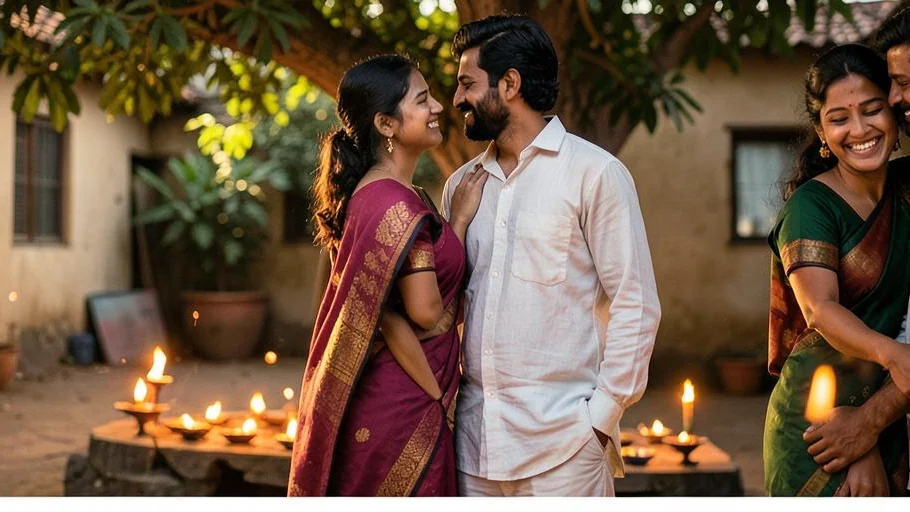
Savita looked towards the open yard, where evening light rested on the banyan leaves. “Yes.”
His kiss was careful, then warmer when she pulled him closer. The pot stood between them on the workbench, neither gift nor purchase yet, waiting like the practical future they were choosing: handmade, negotiated, and strong enough to hold water.